The essentials
- Merino or synthetic against the skin, never cotton. Pack two sets so one can dry overnight while you sleep.
- One or two fleece or wool layers that you can add and shed, plus a thin insulated vest if you feel the cold.
- A windproof and waterproof jacket and overtrousers with a hood that fits over your hat. Leave it at home and you will feel it.
- Insulated waterproof boots with room for thick wool socks, liner gloves plus warm mittens, and spares of both in your bag.
- Hat, neck gaiter, sunglasses, lip balm, hand warmers, a flask and a dry bag. Small things that decide how the day feels.
- Top choice High-speed catamaran from US$220 Duration8 hours[1]StyleHigh-speed catamaran to Skjervøy[1]Ratingrated 4.61 from 3,768 reviews[1]GuideLive tour guide: English[1] Check availability
- RIB safari at Skjervøy from US$251 Duration3 - 12 hours[2]StyleSmall group, limited to 12[2]Ratingrated 4.78 from 136 reviews[2]GuideLive tour guide: English[2] See this tour
- MS Alba cruise from US$215 Duration8 hours[3]StyleCatamaran cruise aboard MS Alba[3]Ratingrated 4.67 from 53 reviews[3]GuideLive tour guide: English[3] See this tour
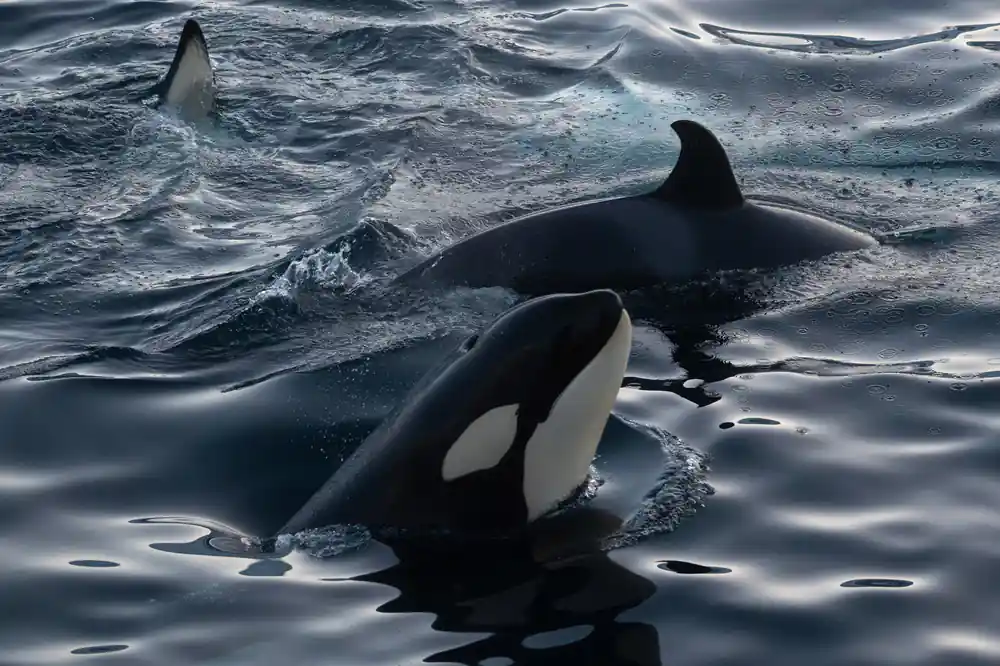
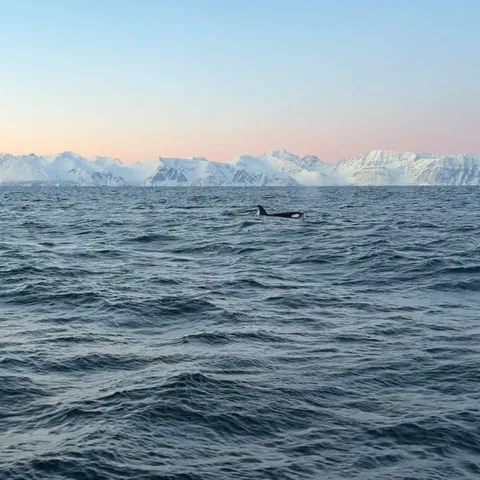
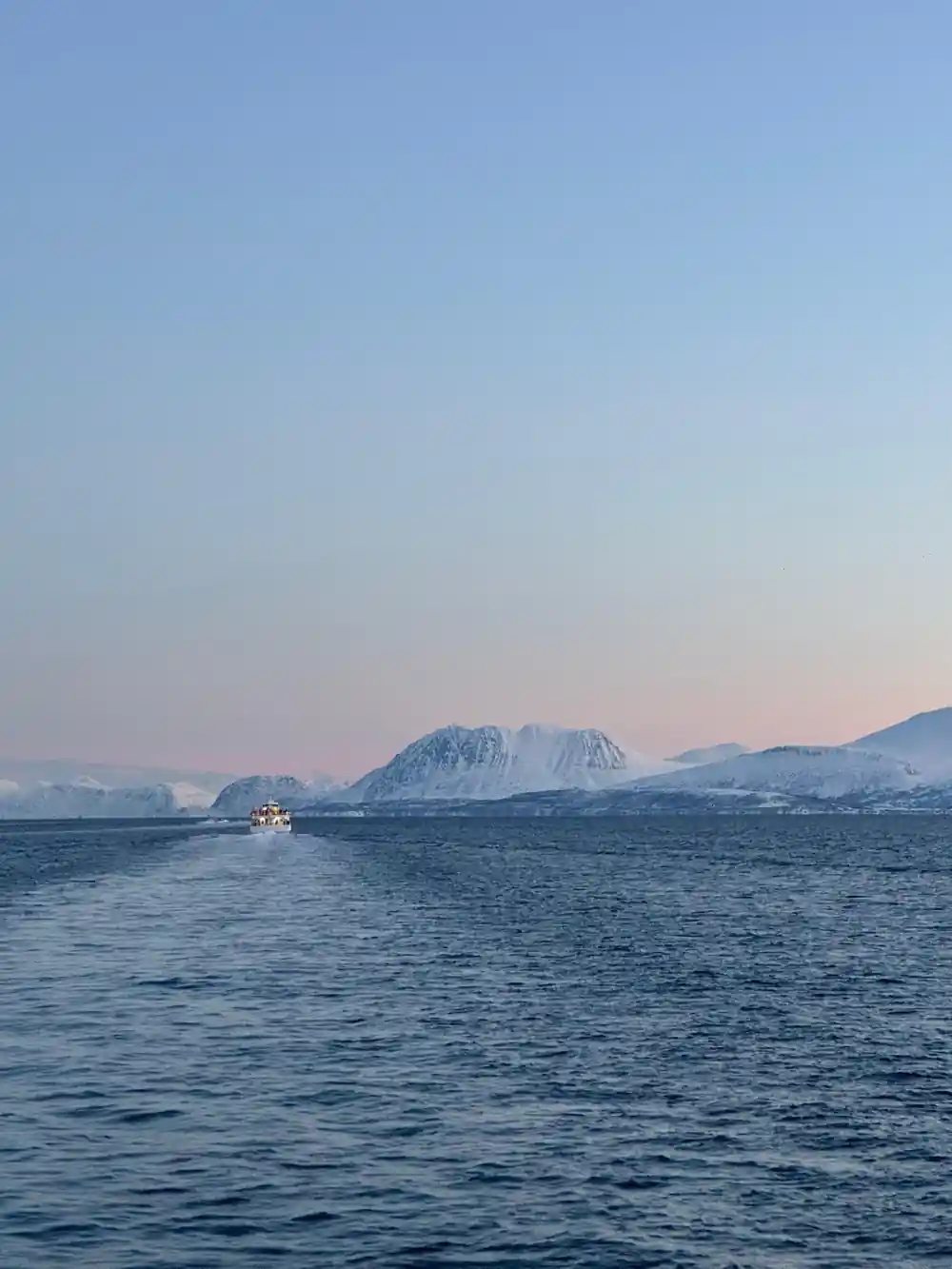
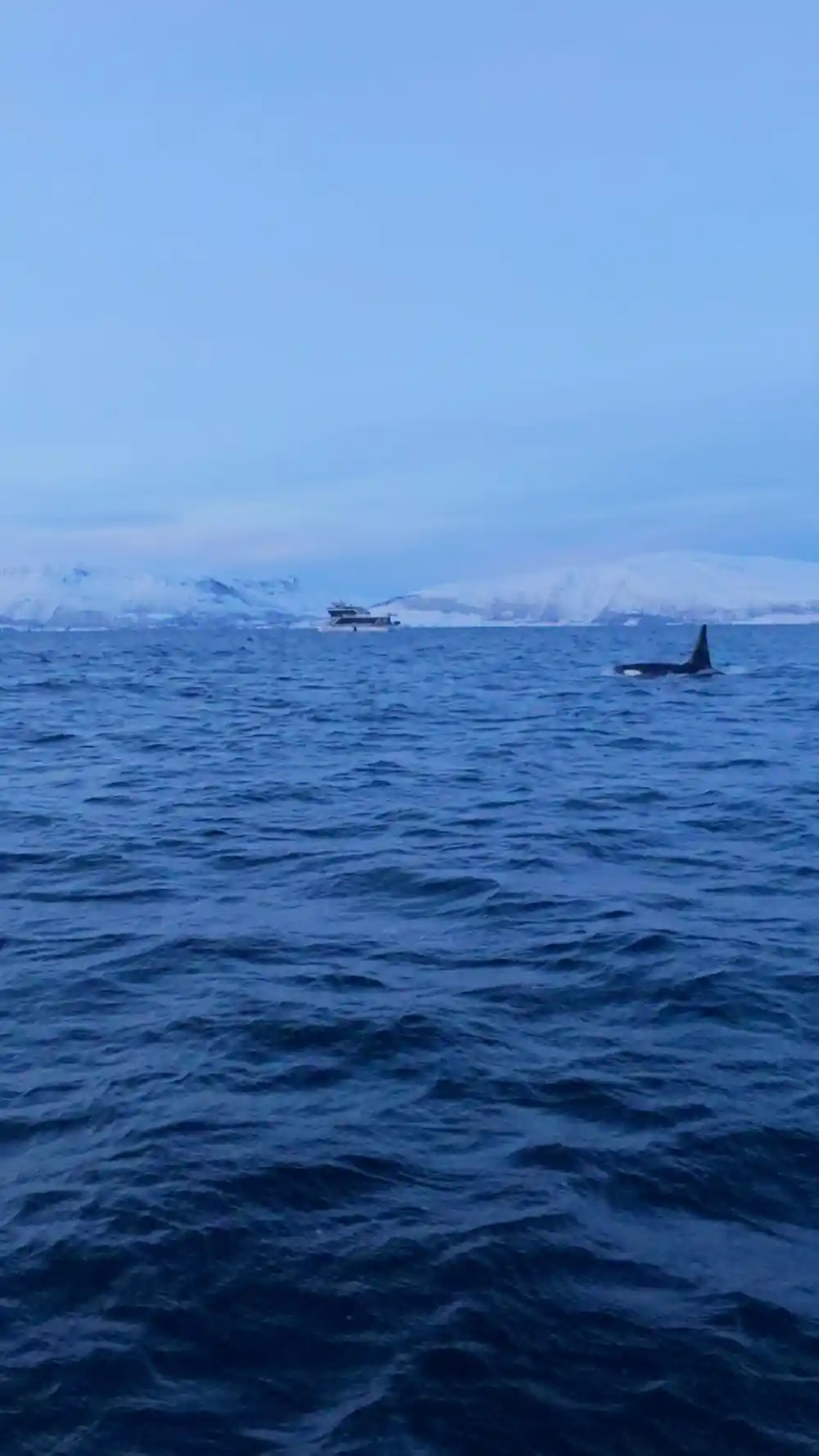
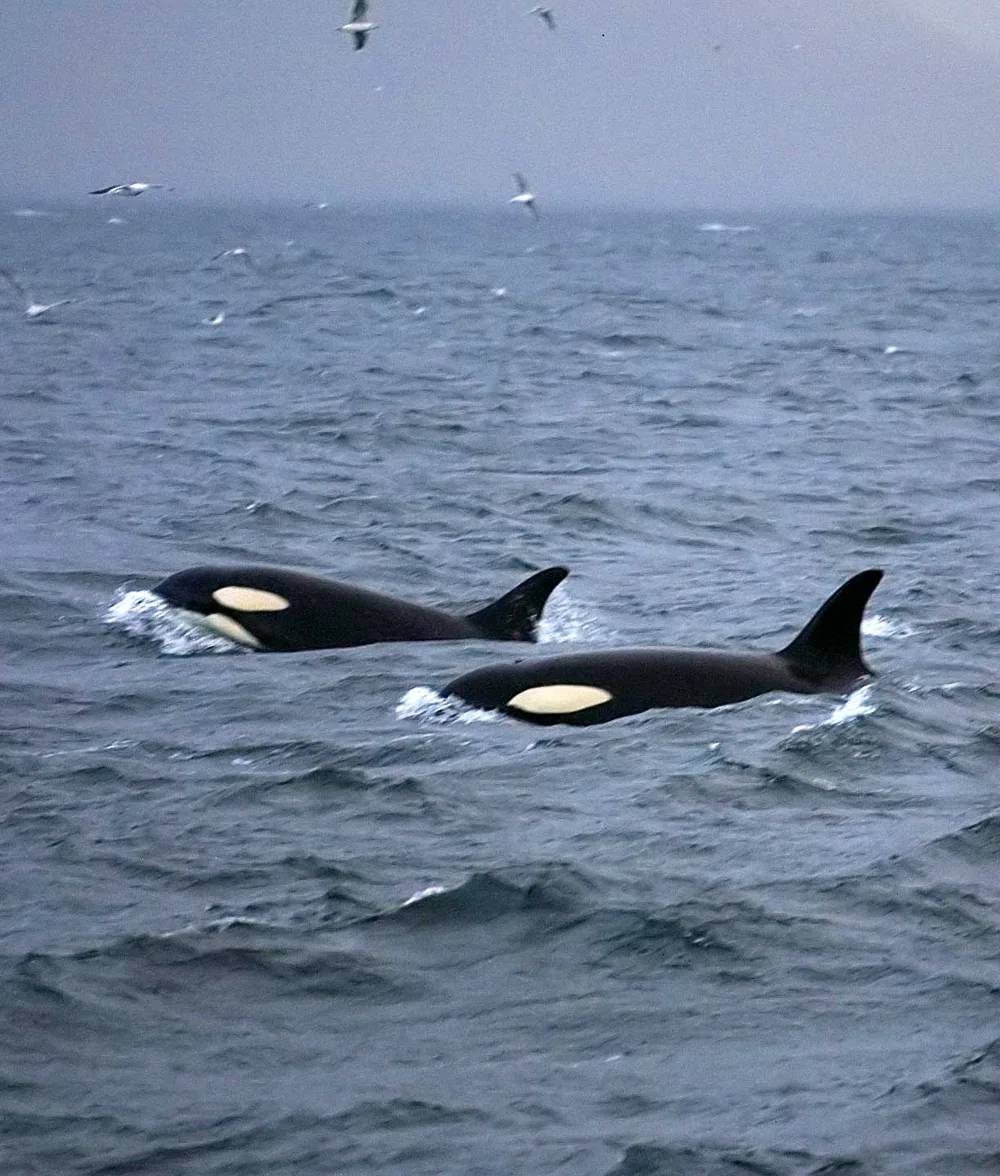
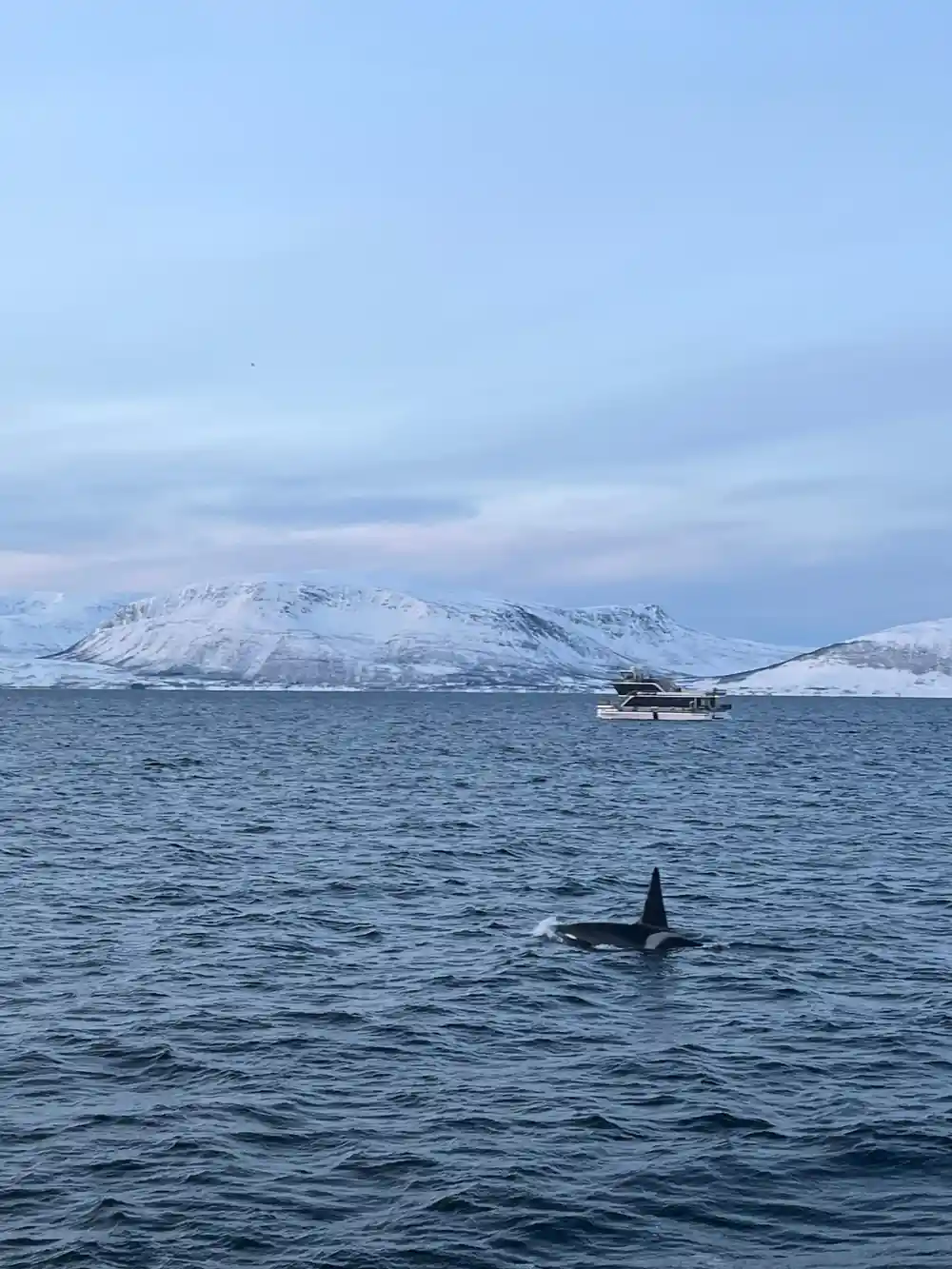
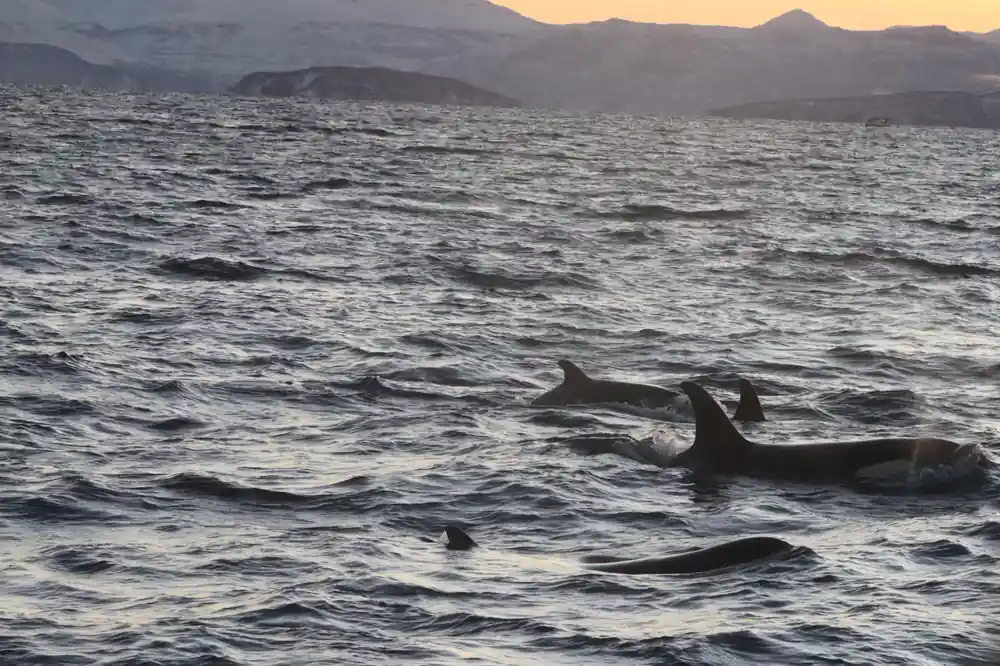
Since around 2017 that has usually meant the Kvænangen fjords near Skjervøy rather than the waters closer to Tromsø, and the 2025 - 2026 season followed the same pattern.
Layer up and the Arctic stops feeling cold
Pack in your daypack
- Merino or synthetic base layer top and leggings, plus one spare set
- Fleece or wool mid layers that you can add and shed during the day
- Windproof, waterproof shell jacket and overtrousers with a hood that fits over a hat
- Wool hat, neck gaiter, liner gloves and warm mittens in an inside pocket
Wear on the boat
- Insulated waterproof boots with room for thick wool socks on wet decks
- Thin liner gloves under warm mittens, with a spare pair kept warm in a pocket
- Waterproof overtrousers over your trousers, ready for spray along the rail
- Sunglasses and lip balm within reach for glare and wind on the water
Start With the Layer Closest to Your Skin
The layer against your skin decides how the rest of your kit behaves. Cotton is the fabric to leave at home: once it is damp from sweat it stays damp, and wet fabric pulls heat away from you quickly. Choose a thin merino wool or synthetic base layer top and matching leggings. Merino resists smells over a long day, while synthetics dry fast if you warm up walking through town to the boat. Pack two sets if you are sailing on back to back days, so one can dry overnight.
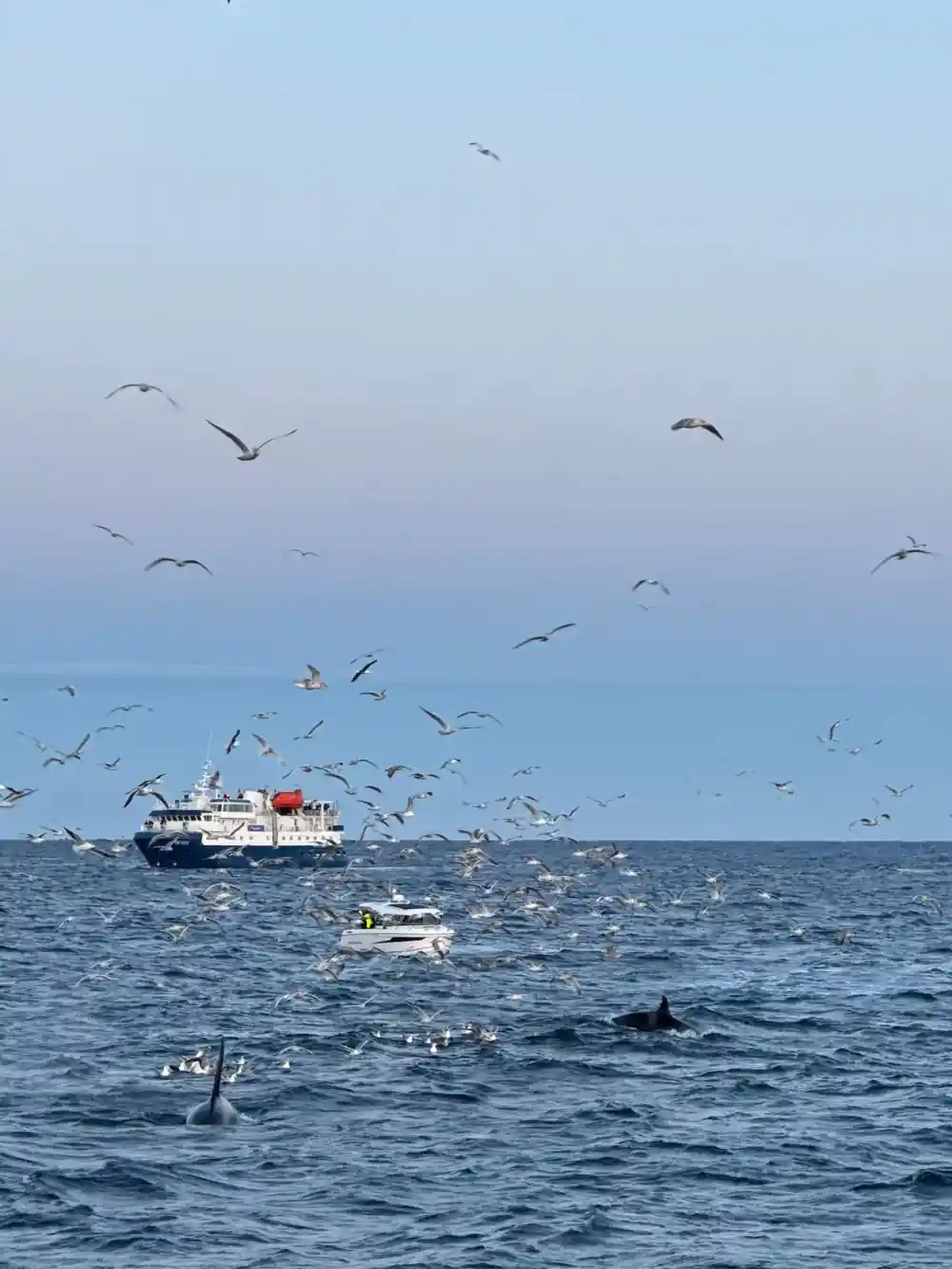
How warm that base layer should be depends on when you travel. The whale season in Tromsø runs roughly from November through January, when orcas and humpbacks follow herring into the Tromsø and Skjervøy fjords.[4] Those are dark, cold weeks, and you will want the heavier of your two base layers. The average winter temperature in Tromsø is around −4°C,[5] which sounds manageable until you add wind and hours of standing still on deck.
Summer is a different trip. Minke whales and porpoises are occasionally spotted during summer, although sightings are fewer than in the winter season,[6] so a light base layer and a windproof shell are usually enough for a midnight sun sailing. Whatever the season, pack one spare top in a dry bag. If you get splashed or rained on early, changing a single layer at the halfway point makes the rest of the trip far more comfortable.
Mid Layers: Fleece and Wool That Trap Warmth
Mid layers are where you control warmth. A midweight fleece or a wool sweater traps air close to your body, and that trapped air is what insulates you. Two thinner mid layers beat one thick one, because you can shed a layer in the harbour and add it back once you are out in open water. A zip neck is more useful than a crew neck: you can vent heat without taking anything off, which matters when you are wearing a life jacket over the top.
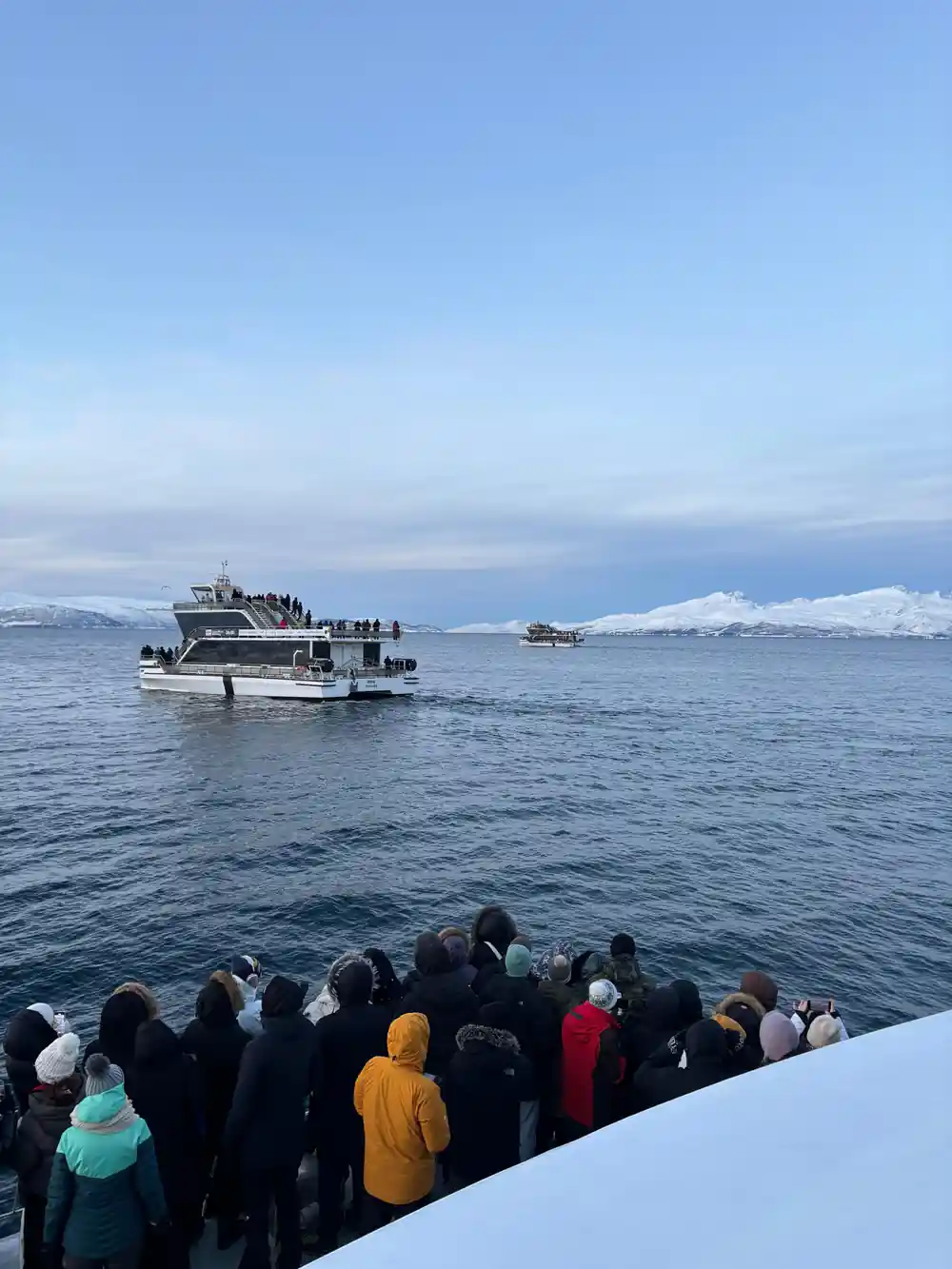
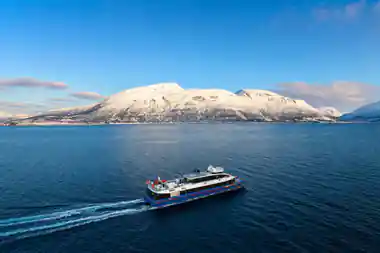
Think about how long you will be out. The whale watching safari on a high-speed catamaran from Tromsø runs for 8 hours and includes a stop at Skjervøy.[1] Much of that time is spent standing at the rail watching for blows and fins. Standing still in cold air is much harder on the body than walking, so dress for the coldest half hour rather than the warmest. If you feel the cold easily, add a down or synthetic vest as a third layer under your shell.
A packing shortcut: one thermal top, one fleece, one thin insulated jacket and one shell will cover almost every winter day in Tromsø. Layering also lets you adapt if the forecast shifts, which it often does on this coast. Treat Tromsø clothing as a system rather than one lucky jacket, with each piece doing its own job from the skin outwards. Keep your spare layer in your daypack rather than in a bag stowed below, so you can reach it without giving up your spot at the rail.
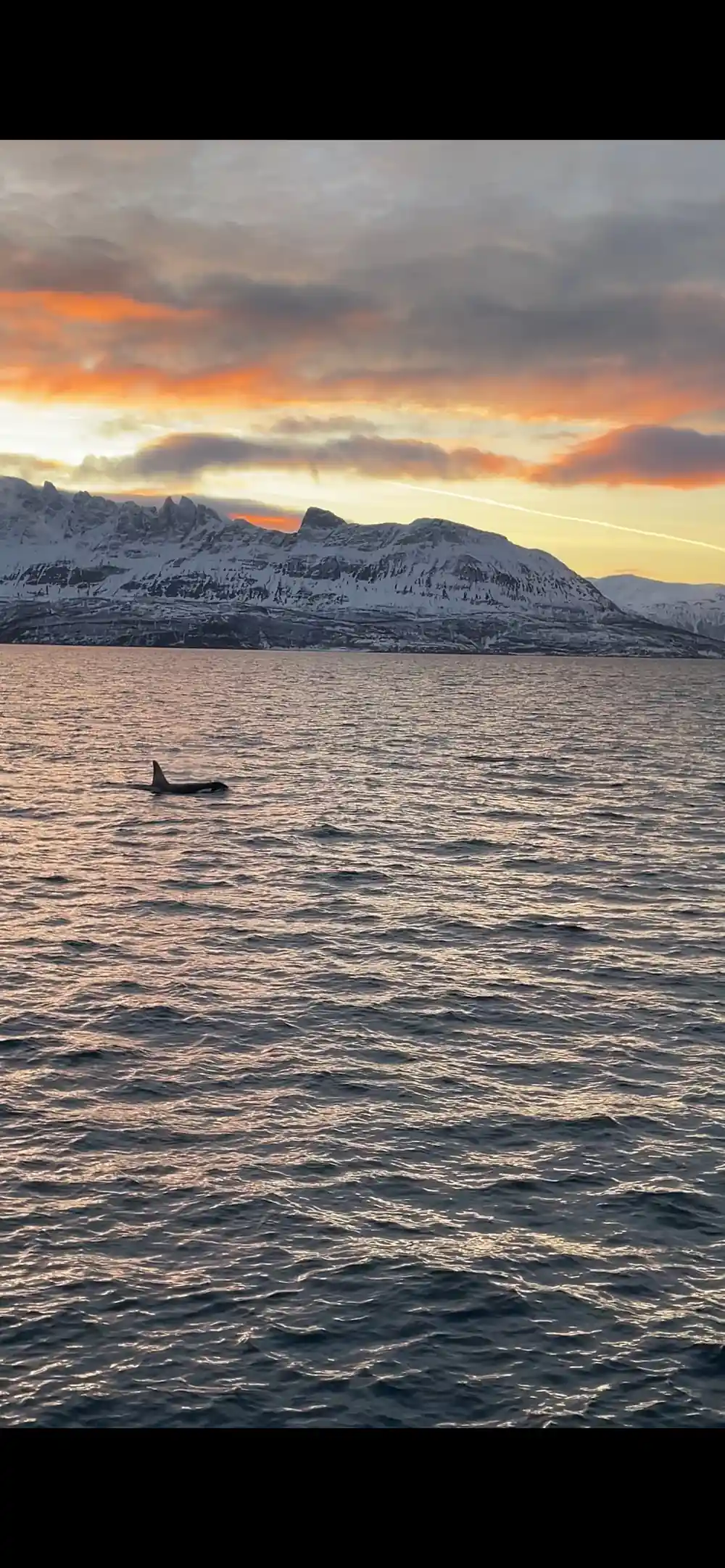
Warm layers under a waterproof shell are what make a winter whale safari comfortable.
The Outer Shell: Wind and Spray Protection
The outer layer has one job: stop wind and water reaching everything you built underneath. A windproof, waterproof shell with taped seams and a hood that fits over a hat is the piece you will notice most if you leave it behind. Look for a high collar and a two way zip, since a life jacket can ride up over a normal zip. Ski and sailing shells both work well here. Leave anything that is only shower proof at home.
On the water, spray arrives from the bow and from the side, especially when the boat slows down. Waterproof overtrousers are worth packing even when the forecast looks dry, because spray on cold legs becomes the thing you notice most. Whale watching guidelines in Tromsø ask boats to approach whales slowly, at less than 5 knots when within 300m, at constant speed, from the side and slightly to the rear.[7] Those quiet minutes beside an animal are exactly when you stand still and feel the wind.
A shell also protects your camera bag and spare layers from a passing shower. Check that the hood cinches down one handed and that the cuffs close over your gloves rather than bunching under them. If you buy one new item before this trip, make it the shell, since everything else can be layered, borrowed or improvised. Pack it at the top of your bag so you can reach it without unpacking on the pier.
Feet and Socks for a Long Day on Deck
Cold feet ruin more whale safaris than cold hands do, and the fix starts with the boots. Choose insulated, waterproof boots with room to wiggle your toes and a thick, grippy sole for wet metal decks and icy piers. Boots that are too tight cut off circulation, and your feet get cold whatever the insulation. Size up half a step if you plan to wear thick socks. Thin rubber wellies with no lining are a summer option, not a winter one.
Socks do more work than most people expect. A thin liner sock under a thick wool sock moves moisture away from the skin and reduces rubbing over a long day. Pack two pairs of the thick socks so you can change halfway through. Wet socks are the quickest way to lose heat from your feet, and wool keeps insulating when damp while cotton does not. If your feet run cold, add a thin insulated insole.
Add overshoes or gaiters if you expect slush on the pier, and keep a spare pair of socks in your daypack. Boots that slip on and off easily are a real comfort over several hours, because you will want to change out of wet footwear at the end. Dry your boots overnight away from direct heat, which can crack rubber and leather, and stuff them with newspaper if they are soaked through.
from US$220
The whale watching safari on a high-speed catamaran from Tromsø lasts 8 hours and includes a stop at Skjervøy.[1]
Hands, Gloves, and Photography in the Cold
Hands are the hardest part to keep warm, because you keep taking your gloves off to use a camera or a phone. Solve that with two pairs: a thin liner glove that stays on while you adjust settings, and a warm overmitt that goes back on between shots. Mittens are warmer than gloves because your fingers share heat. If you photograph seriously, a pair of photography gloves with fold back fingertips is worth the money.
Keep spare gloves in an inside pocket rather than in a bag on a bench, so they stay warm and dry. A chemical hand warmer in each pocket costs very little and makes a real difference on a still, cold day. Liner gloves also shield bare skin from cold metal on camera bodies and tripods, which can sting and even stick. Wipe condensation off lenses before it freezes, and keep the camera close to your body when you are not shooting.
Anyone prone to numb fingers will do better with a thin silk or merino liner plus a loose, oversized overmitt than with a single expensive glove. Bring a small microfibre cloth for spray, and keep your phone in an inside pocket so the battery lasts. Standing at the rail waiting for whales to surface is cold, patient work, and your hands will feel the waiting first. A spare pair of liners weighs almost nothing in a daypack.
Head, Ears, and Face: Protecting Exposed Skin
Your head loses heat quickly, and wind on the fjord makes it worse. A wool or fleece hat that covers your ears, and fits comfortably under a hood, is essential between November and January.[4] Pair it with a neck gaiter or buff that you can pull over your chin and nose when the boat picks up speed. A gaiter is more flexible than a scarf and will not flap around or catch on equipment when you move along the deck.
Sunglasses are not just a summer item here. Low winter sun, bright snow and glare off the water all strain your eyes, and cold air makes them water. Bring a spare gaiter if your nose runs constantly, and keep a small cloth in a pocket for wiping your face. Balaclava style hoods are excellent on the coldest days, and a thin silk balaclava under a hat adds noticeable warmth without bulk. A hat that stays put in wind beats a stylish one that blows off.
Protect lips and cheeks with a thick, unperfumed balm or a wind block cream, especially if your skin chaps easily. Snow and spray can build up on a beard or a loose scarf and then freeze, so a smooth, close fitting gaiter tends to be more comfortable. If you wear glasses, a buff worn over the nose helps stop them fogging, though it will not solve it completely. Take the small comforts seriously on a day this long.
Flotation Suits, Cameras, and Cold Electronics
On RIB whale watching tours, operators provide full-length flotation suits, often called drysuits or immersion suits, to wear over your own clothing.[8] Your underlayers still matter, so wear your normal cold weather layers underneath, kept thin and close fitting so the suit sits comfortably. Avoid bulky items around the neck and anything with loose straps that could snag. Ask at check in if you are unsure what to wear beneath the suit.
If your tour does not use flotation suits, your own layers do all the work, so the shell and mid layers matter even more. Electronics need looking after too. Batteries lose capacity fast in the cold, so carry spares in an inside pocket and keep your camera in a padded bag between shots. A dry bag inside your rucksack protects everything if spray comes over the rail, and a zip seal bag is a cheap alternative.
Finally, plan the small things that make a long day outside easier: a hot drink in a flask, a snack, a head torch for the dark weeks, and dry clothes waiting at the end. If you are travelling with children, check the age rules for your boat when you book, because they vary between operators. Children can join the Arctic Whale Tours winter whale watching cruise from Tromsø from age 1, and those under 16 must be accompanied by an adult.[9]
From prices for Tromsø whale watching tours
From prices in US dollars, as listed on GetYourGuide for each of these tours:[1][2][3][10]
Compare from prices by tour type
From prices in US dollars, as listed on GetYourGuide for these tours:[1][2][3][10]
When to go, and what to expect
Layer up for the Arctic
Base layer against the skin
Merino or synthetic top and leggings. Avoid cotton, which holds sweat and stops insulating once it is damp.
Add your mid layers
One or two fleece or wool layers, plus a thin insulated vest if you feel the cold. Zip necks let you vent heat.
Pull on the shell
Windproof and waterproof jacket and overtrousers, with a hood that fits over your hat and cuffs over your gloves.
Sort out feet and hands
Insulated waterproof boots with room for thick wool socks, liner gloves under warm mittens, and spares of both.
Finish with head and face
Wool hat, neck gaiter, sunglasses, lip balm and hand warmers. Small items, but they decide how the day feels.
Book the high-speed catamaran whale safari from Tromsø
from US$220Reserve now & pay later